

GardnerGlobal Founder & CEO shares lessons on starting small, building relationships, recognizing opportunities, and turning ambition into action.
Every development begins long before construction. It starts with a vision, a willingness to learn, and the determination to turn an opportunity into something tangible.
But for aspiring real estate developers, one question often stands in the way: Where do I begin?
In a recent conversation on the University of Washington's Housing Development Podcast, presented by the Consulting & Business Development Center at the Foster School of Business, GardnerGlobal Founder & CEO Jaebadiah S. Gardner joined host Mo Malakoutian to discuss what it really takes to enter the world of real estate development.
Drawing from his experience as a first-generation developer, Jaebadiah shared the lessons, challenges, and strategies that helped him build a career in an industry where access to capital and opportunity can often seem out of reach.
Every Developer Has a Beginning
Today, GardnerGlobal is a Seattle-based real estate development company focused on multifamily housing. But Jaebadiah's journey began on a much smaller scale.
After gaining experience in construction with Turner Construction, Gardner founded his company in 2009. He later earned his law degree from Western Michigan University in 2012, combining construction knowledge with a deeper understanding of business and legal frameworks.
His first investment project wasn't a large apartment building or a multimillion-dollar development.
It was a foreclosed duplex in Grand Rapids, Michigan.
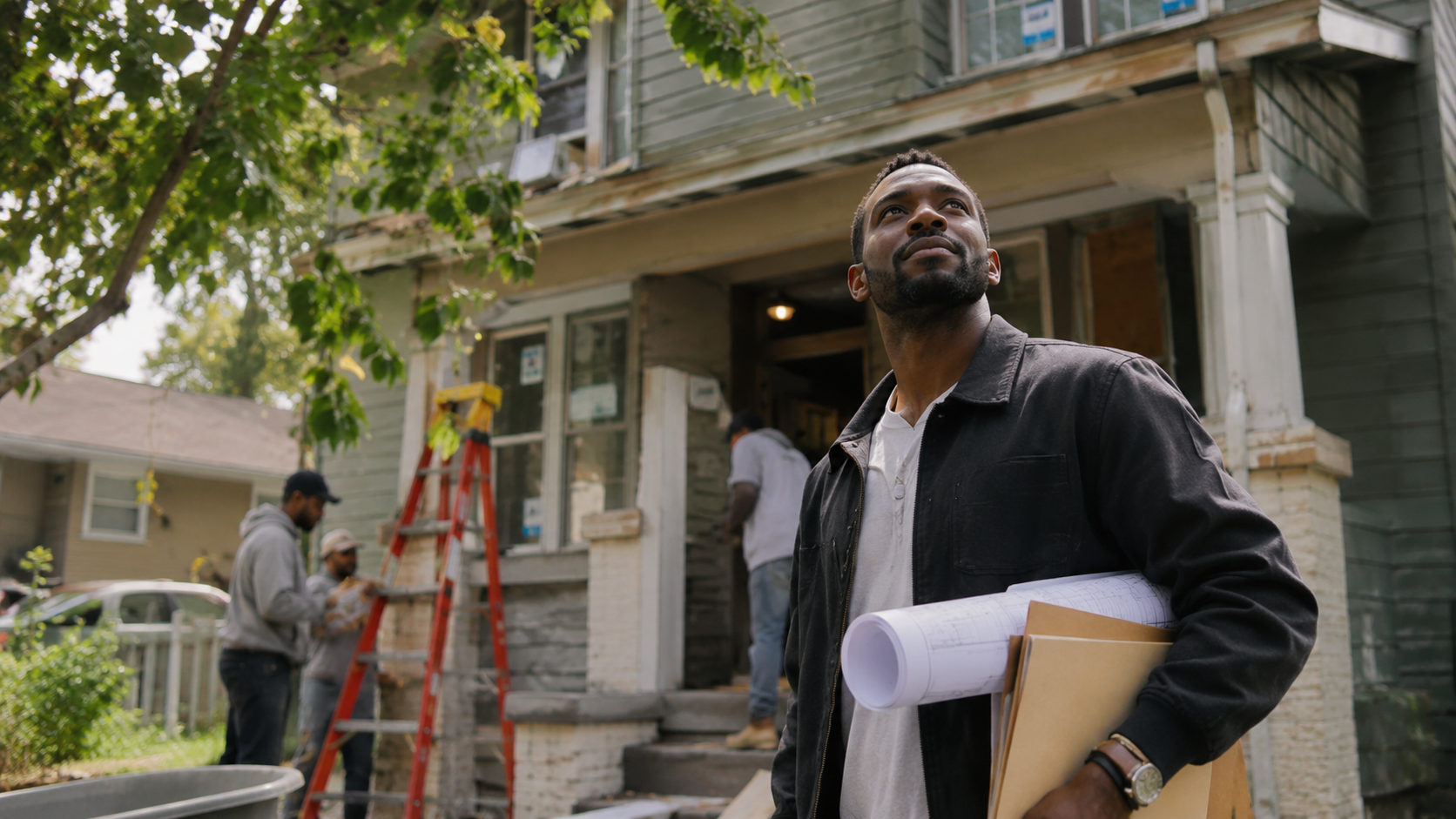
While attending law school, Gardner partnered with a fellow student to purchase the bank-owned property, renovate it, and rent it to two families.
The property needed significant work, including challenging electrical upgrades. But those experiences provided something invaluable: firsthand knowledge.
For Gardner, starting small wasn't about thinking small. It was about building the foundation necessary to take on larger opportunities.
Do You Need Money or Land to Become a Developer?
One of the biggest misconceptions about real estate development is that you must already own property or have significant financial resources to participate.
Gardner's experience challenges that assumption.
As a first-generation developer without substantial starting capital, he found another way into the industry: working on other people's projects.
Through consulting relationships with property owners and nonprofit organizations, Gardner helped assemble development teams, coordinate consultants, and navigate predevelopment processes.
These opportunities allowed him to gain experience while helping others bring their projects to life.
His advice to aspiring developers is to seek out organizations, professionals, and property owners already engaged in development. Whether through consulting, internships, partnerships, or other forms of collaboration, participation creates opportunities to learn.
You don't necessarily need to own the project to begin developing the skills required to lead one.
The Value of Relationship Capital
Throughout the conversation, Jaebadiah returned to one of the most important principles behind his business: relationships.
"You don't need land to get started, but you do need relationships."
For Gardner, relationship capital comes before financial capital.
Architects, contractors, investors, attorneys, brokers, and community leaders all play important roles in bringing a development to fruition.
Building connections with these professionals creates opportunities to exchange knowledge, establish trust, and discover projects that might otherwise remain inaccessible.
Most of GardnerGlobal’s growth has come from consistently showing up in spaces where real estate professionals gather.
Industry events, community gatherings, professional luncheons, and everyday conversations can all become starting points for lasting partnerships.
At GardnerGlobal, development is as much about building relationships as it is about building properties.
Finding Opportunity Where You Already Are
Where should an aspiring developer look for their first project?
Gardner's answer is surprisingly simple: Start in your own neighborhood.
Understanding the community where you live provides an advantage that cannot always be gained through online property listings.
You may already know the local business owners, neighbors, development patterns, and community needs.
These relationships and observations can help uncover off-market opportunities before they become widely available.
Gardner also discussed purchasing bank-owned properties, commonly referred to as real estate-owned (REO) properties, and exploring foreclosure opportunities.
His own first duplex was acquired through a bank after foreclosure.
But he cautioned that identifying a promising property doesn't automatically make it a viable investment.
Before moving forward with his current developments, Gardner recalled evaluating approximately 80 potential deals.
Many appeared promising initially, but further research revealed challenges that prevented them from moving forward.
The lesson is clear: opportunity requires patience, research, and persistence.
Start With the Exit Strategy
Real estate development involves risk, and even experienced developers encounter unexpected challenges.
Construction costs can change. Permits can be delayed. Property valuations can shift as economic conditions evolve.
Gardner emphasized that these uncertainties are part of the development process.
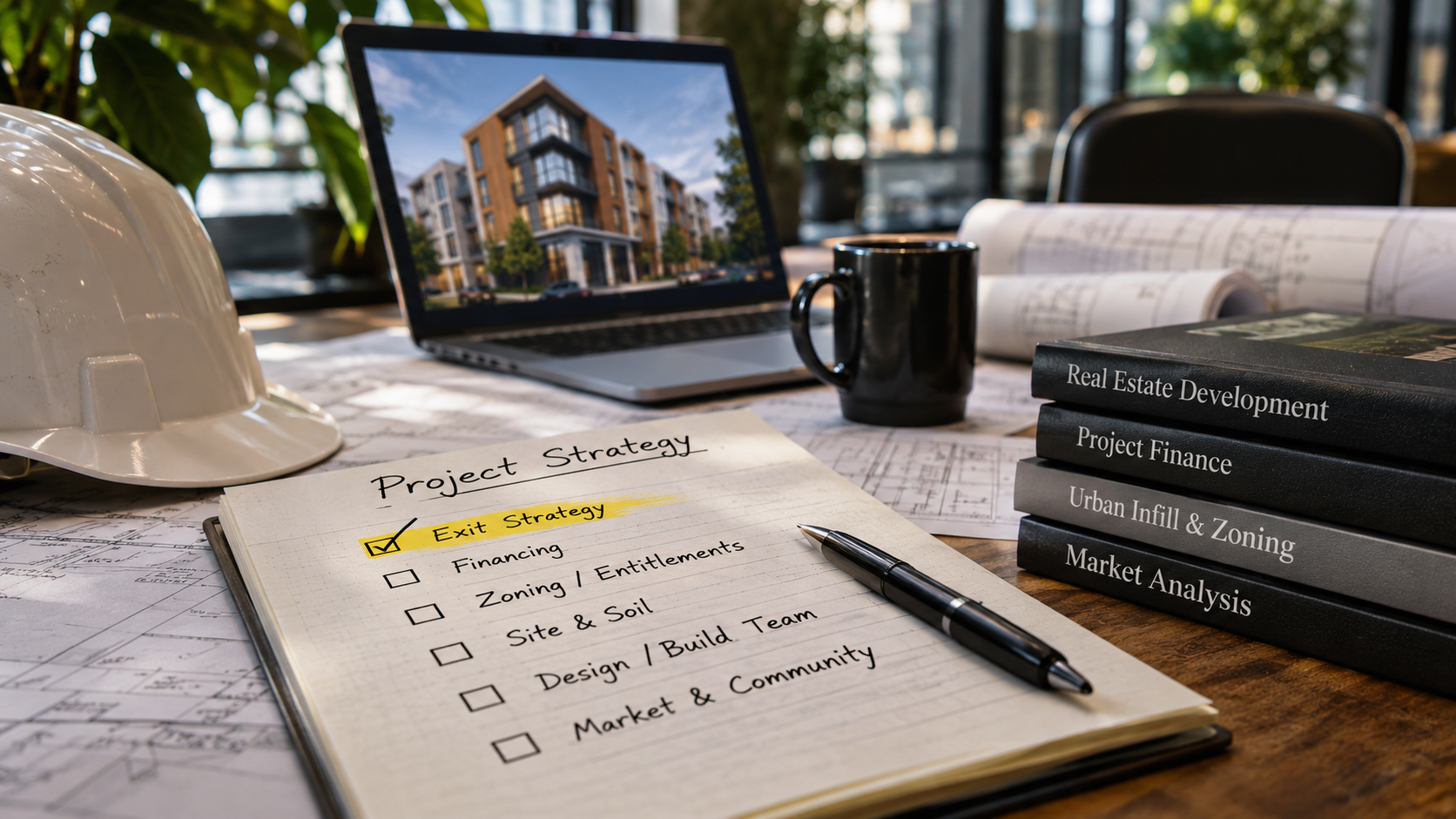
One lesson he received from his mentors continues to guide his approach: before entering a deal, understand how you intend to exit it.
Are you developing a property to hold and generate rental income? Are you planning to sell after completion? What happens if the market changes?
Having a clear strategy from the beginning helps developers make more informed decisions as circumstances evolve.
For aspiring developers who already own property, Gardner also stressed the importance of understanding the land itself.
Soil conditions, surveys, zoning regulations, and development potential should all be investigated before making major commitments.
And perhaps most importantly, know when to bring in experts.
Successful development doesn't require knowing everything. It requires knowing how to assemble the right people to execute the vision.
Understand the Community Before You Build
For Gardner, real estate development is not simply about identifying available land.
It's about understanding the economic and social environment surrounding a potential project.
Employment trends, neighborhood demographics, housing demand, and local relationships all influence whether a development makes sense.
For multifamily projects, Gardner pays particular attention to the employment market. Major layoffs or declining job opportunities can affect the demand for rental housing.
He also encourages developers to spend time in the communities where they hope to invest.
Visit local businesses. Speak with residents. Understand the neighborhood's character and the people who call it home.
Development should begin with an understanding of the community, not just the financial opportunity.
Start Small. Think Big.
Perhaps the most important message from Gardner's conversation is that ambition and preparation must work together.
He encourages first-time developers to start with manageable projects, learn from their experiences, and avoid taking on risks they aren't prepared to handle.
But he also believes that starting small shouldn't place limits on what someone ultimately hopes to achieve.
From renovating a duplex to building a multifamily development pipeline, Gardner's journey demonstrates how experience, relationships, and persistence can create a path toward increasingly ambitious projects.
The first step isn't necessarily purchasing property. It may be educating yourself, attending an industry event, meeting a potential partner, or identifying an opportunity in your own community.
Whatever that first step looks like, the important thing is to begin.
Watch the Conversation
Hear more from Jaebadiah S. Gardner in Episode 2 of the University of Washington Consulting & Business Development Center's Housing Development Podcast.
Episode 2: What Should Your First Project Be?
GardnerGlobal is a Seattle-based real estate development company focused on multifamily housing, strategic partnerships, and community-centered development.